
Fluid Metering's CERAMPUMP® Valveless Piston Technology vs. Diaphragm Pumps
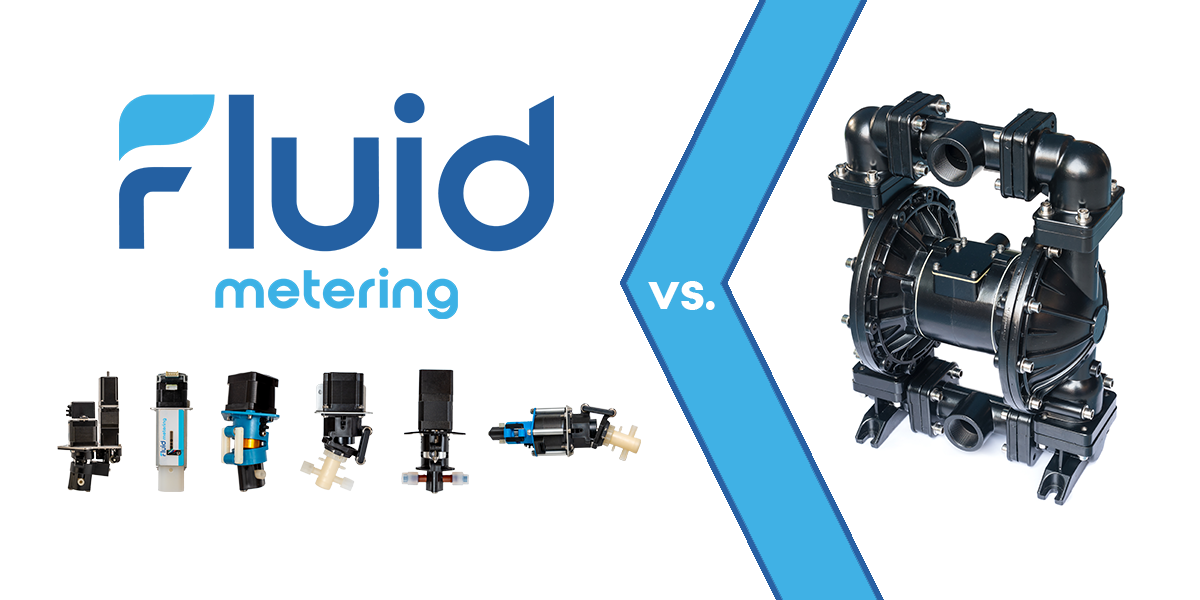
Knowing the differences between Fluid Metering and diaphragm pumps helps ensure performance, reliability, and reduced costs of fluid handling systems.
3 min read
%20(56)-1.png?width=1200&height=600&name=Blog%20Images%20(1200%20x%20600%20px)%20(56)-1.png)
When engineers begin designing a fluid handling system, one of the first questions is often whether a pump can reliably handle a high-viscosity fluid. The answer is yes, but success depends on selecting the right pump and optimizing the overall fluidic system for the application.
Unlike low-viscosity liquids, viscous fluids require more force to move through tubing, fittings, and pump components. If the system is not designed with these characteristics in mind, flow restrictions can reduce performance and place unnecessary stress on the pump. Rather than viewing viscosity as a limitation, it should be treated as one of the key engineering parameters that influences pump selection, system layout, and operating conditions.
Viscosity describes a fluid's resistance to flow.
Low-viscosity fluids flow readily because their molecules move past one another with relatively little resistance. These fluids typically travel through tubing with minimal effort. High-viscosity fluids behave differently. They flow more slowly, resist deformation, and may require additional force to move through a pumping system. As viscosity increases, so does the importance of proper system design.
Understanding this relationship is one of the first steps in selecting the right pump for reliable fluid dispensing.
Higher viscosity influences more than just the pump itself, it affects the entire system.
As viscosity increases, engineers should consider:
System Component Effect of Higher Viscosity
| Tubing | Greater flow resistance and higher pressure drop |
| Pump inlet | Harder for fluid to enter the pump, which can starve the inlet |
| Pump speed | Higher speeds raise torque and mechanical stress |
| Flow rate | Higher flow rates become more challenging |
| System design | May call for pressure assistance or temperature control |
These considerations highlight why pump selection should always be evaluated within the context of the complete system rather than as an isolated component.
Yes. However, successful pumping depends on selecting the appropriate pump configuration for the specific application.
One important consideration is flow rate. Applications requiring very high flow rates may be more challenging because viscous fluids naturally resist flow through the system.
Instead of focusing solely on the pump, engineers should evaluate:
Required flow rate
Tubing selection
Pump operating speed
Inlet conditions
Together, these variables have a significant impact on overall pumping performance.
Increase Tubing Size
Using tubing that is too small creates unnecessary flow restrictions before the fluid reaches the pump. Larger tubing provides a less restrictive flow path, helping viscous liquids move more effectively through the system.
Reduce Viscosity with Temperature
Heating the fluid, particularly on the inlet side, can decrease viscosity and improve flow characteristics. For applications that benefit from thermal management, FMI offers pump head options designed to help maintain fluid temperature during pumping.
Use a Pressure-Fed Inlet
Applying pressure at the inlet helps move viscous fluids through the tubing and into the pump head. This additional assistance can improve overall system performance when handling more viscous liquids.
Operating at approximately 400 rpm or below, when appropriate for the application, can:
Reduce stress on the pump
Reduce stress on the motor
Allow viscous fluids to move more effectively through the system
Several common design decisions can reduce pumping performance.
Avoid:
These conditions can increase system strain and reduce pumping efficiency.
No single pump is the best choice for every viscous fluid application.
Selecting the right pump requires evaluating the complete operating environment, including:
Fluid viscosity
Required flow rate
Considering these factors together helps engineers develop a fluidic system that supports reliable, repeatable operation.
High-viscosity fluids present unique engineering challenges, but they can be pumped successfully with the right system design and pump configuration. By considering tubing size, operating speed, inlet pressure, and temperature early in the design process, engineers can improve fluid movement and support more reliable system performance.
If you're evaluating a high-viscosity fluid application, Fluid Metering's engineering team can help determine the most appropriate pump configuration based on your operating requirements and application goals.

Knowing the differences between Fluid Metering and diaphragm pumps helps ensure performance, reliability, and reduced costs of fluid handling systems.
Avoid pump failures in IVD systems with FMI’s valveless design—ideal for handling viscous waste, debris, and complex fluidic challenges.

 Patrick DeRuvo : 4/11/24, 7:00 AM
Learn how to pump highly concentrated cleaning solutions through disinfection and sterilization equipment effectively with Fluid Metering's precision...